Imagine the future that you want to have. Now ask yourself, what will make you enjoy that future in the first place?
A healthy body, maybe? Yes!
Even in the present time, being healthy will make you enjoy life better. Not that sick people can’t enjoy life. But being sick will make it so difficult and requires more effort. Being healthy and not dealing with pain or illness just makes things easier.
That is why you need to make sure you are in good health. And you can start by incorporating healthy lifestyle habits in your daily life.
1. Eat real foods.

Real food is what you would call a whole, unprocessed, free of additives and rich in nutrients food. Essentially, if food is factory-made, then it is probably not considered a real food.
It is recommended to consume real foods 80-90% of the time. Real foods are loaded with important nutrients, vitamins and minerals that our body needs. In addition to being nutrient-dense, real foods contains fewer calories per serving compared to processed foods which is totally great for maintaining your ideal weight.
Some of these healthy foods that are always on our grocery list are:
Fruits
Fruits are great snack and healthy too. I love having a banana or an apple to consume while working. Not only will these sweet fruits satisfy my cravings for sweets, they are keeping me healthy too with their vitamin content.
Vegetables
Vegetables are a great way to make your dish colorful. Vegetables may be not very appealing to children but there are a lot of fun ways to make vegetables taste good so even you will enjoy eating them better. Vegetables are important sources of many nutrients, including potassium, dietary fiber, folate (folic acid), vitamin A, and vitamin C. And they are naturally low in fat and calories, which is great for your weight-loss goals.
Unprocessed Meat
Meat is a significant source of protein and other important nutrients like riboflavin, niacin, phosphorus, zinc, selenium and B vitamins. Eating meat is beneficial for muscle and bone health, appetite, metabolism, and iron absorption. However, if you are against eating animals, you can still stay healthy by eating meat substitutes for your protein needs.
Meat comes from a variety of animals and is classified as either red or white. Red meat is mostly from beef, pork and lamb and is called such because of their reddish color. White meat is lighter than red meat and comes from chicken, turkey or duck.
Red meat in general have more bad fats than white meat. It is recommended to eat less red meat due to this. To maximize benefits and minimize risk in eating meat, it is advisable to choose non-processed meat, avoid high-heat cooking, include plant foods in your diet, and choose organic or grass-fed whenever possible.
Fish
The American Heart Association recommends eating fish at least two times per week as part of a healthy diet.
Fish contains low-fat and high-quality protein. It is also a substantial source of omega-3 fatty acids. Omega-3 Fatty Acids help maintain a healthy heart by lowering blood pressure and reducing the risk of sudden death, heart attack, abnormal heart rhythms, and strokes. It also aids healthy brain function and infant development of vision and nerves during pregnancy. You can get Omega-3 fatty acids in every kind of fish. But fatty fish like salmon, trout and sardines are especially high in Omega-3 fatty acids.
Fish is also rich in calcium and phosphorus and a great source of minerals, such as iron, zinc, iodine, magnesium, and potassium and vitamins such as D and B2 (riboflavin). With all these wonderful benefits and nutrients that you can get, fish should always have a place on your grocery list. This healthy fish guide will help you gain the health benefits of fish but also reduce your exposure to contaminants in fish.
Nuts and seeds
Nuts and seeds (if you are not allergic to them) are also great snacks that you sometimes just can’t stop eating. Nuts and seeds are jam-packed with a lot of vitamins, minerals and fats. Some nuts and seeds also contain healthful mono and polyunsaturated fats which help manage inflammation and maintain the normal structure of every cell in the body.
You could easily go overboard with nuts and seeds because they are just so small but just a handful of nuts could contain 150 calories. The Australian Dietary Guidelines recommend one serving of nuts (approximately 30 grams or one third of a cup or one handful)per day for adults. However, if you avoid meat, you can eat over 30 grams of nuts and seeds per day to ensure adequate protein. Nuts and seeds can be an excellent substitute for meat, fish and eggs because they contain protein, fat, niacin, zinc and iron.
I enjoy adding nuts like roasted peanuts to my salad because it adds a flavorful crunch. I also love making milk out of nuts because I just can’t tolerate dairy milk.
Herbs and spices
Asian cuisines use a lot of spices and herbs but I am not complaining. I love using spices and herbs because they make dishes more flavorful and smelling good. They have a lot of health benefits too from fighting infections, lowering blood sugar, to improving brain function and memory and some has anti-inflammatory effects.
Our food cabinet is definitely full of dried herbs and spices and I even plant some basil and mint in a hanging pot by my window. If you haven’t started using herbs and spices, maybe you can start adding them slowly into your life. I can guarantee that not only you will get healthier, your kitchen will smell wonderful too.
2. Regular exercise.
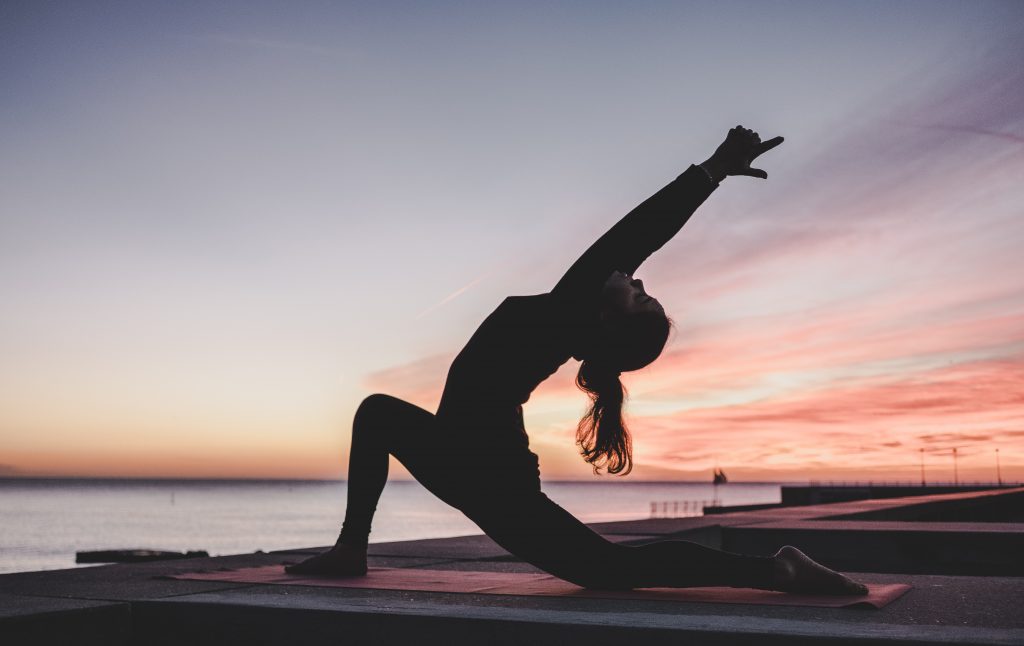
The fitness industry has been swearing on exercise, as a way to lose weight. And they are not wrong. Coupled with a healthy diet, exercise helps in keeping your ideal body weight. Maintaining a healthy weight is important in lowering your risk of cardiovascular diseases and other health problems.
But aside from these beneficial effects on our weight, exercise also has other benefits for our health.
Maybe due to the fact that exercising regularly helps maintain your healthy weight, exercise helps lower your risk of developing many long-term conditions, such as heart disease, type 2 diabetes, stroke, dementia and Alzheimer’s disease and even cancers. Exercise can also boost your self-esteem, mood, sleep quality and energy, and reduces stress.
Exercise also helps in strengthening your bones and muscles. It slows down the effects that aging brought to our muscles and bones by slowing down the loss of bone density and maintaining muscle mass and strength. Now, I feel like I kinda liked me as a grandma with muscles. Cool.
To stay healthy, try to be active every day and aim to achieve at least 150 minutes of physical activity over a week through various activities. Set and find time to exercise regularly and make physical activity a part of your daily routine. That will help you get to exercise more likely and stay healthy.
But what if you don’t have the time to exercise? I get you. I don’t have the luxury of time right now, too. But you can start with just the time that you have. You only have 2 minutes to spare? Then just exercise for 2 minutes. Over time, as you build the habit of exercising, you will find yourself, finding time to exercise. You will find ways to exercise. And then you may also have built a system that works for you too by then. The first few tries will be hard. But overtime, things will get easier thanks to habits.
3. Drink lots of water.

We are 60% water. And by that, you can say that water is of major importance for our body. Water serves several essential functions in our body. It regulates our internal body temperature by sweating and respiration. It helps flush waste mainly through urination. It allows body cells to grow, reproduce and survive. And that are just some of its functions. Staying hydrated is therefore essential for these body functions to continue and for us to survive.
In general an adult male needs about 3 liters (3.2 quarts) per day while an adult female needs about 2.2 liters (2.3 quarts) per day. The food that we eat like fruits and vegetables also contains water so all the water a person needs does not have to come from drinking liquids. But still you need to drink water.
But when we get too busy in life, we sometimes don’t have the time to get yourself a glass of water to drink. If that is the case for you, you can try incorporating technology to help you keep yourself hydrated throughout the day. There are a lot of apps that reminds you to drink water. Or you can just go old school like me and set alarms every hour to get yourself hydrated. Or keep tabs in a sticky note you posted in your workstation that you can just check every time you drink water. I used to do this too because I just love sticky notes and checking things out.
However you do it, just don’t forget your water. Drink your water and stay hydrated all day.
4. Sleep well.

This is an area that I frequently fail to keep. I have insomnia that would sometimes keep me awake for 24 hours. I would feel like a mess for one entire week whenever that happens.
Being chronically sleep-deprived throughout my nursing career has made me appreciate the benefits of quality sleep more. Whenever I get so lucky to have slept enough and well, I always feel fantastic and productive. My mind is clear and I decide more quickly. My mood is also better and I am not prone to succumb to feelings of sadness. Even when sad thoughts cross my mind, I can just acknowledge them and move on quicker than when I am sleep deprived.
It’s no wonder I felt that. Good sleep has been shown to improve problem-solving skills and enhance memory performance of both children and adults. It also helps reduce stress, improve your mood and think more clearly.
Scientific research makes clear that sleep is essential at any age. Sleep powers the mind, restores the body, and fortifies virtually every system in the body. But how much sleep do we really need to get these benefits?
National Sleep Foundation guidelines advise that healthy adults need between 7 and 9 hours of sleep per night. This guidelines serve as a rule-of-thumb for how much sleep you need but they also acknowledge that the ideal amount of sleep can vary from person to person.
Too much sleep or oversleeping is not healthy too. When it comes to sleep, moderation, quality and consistency are the key. Nowadays, this is sometimes hard to achieve. You sometimes have to stay up late in the night to beat your deadlines. Sleeping schedules are inconsistent because of shifting schedules at work. And because of inconsistency, your quality of sleep is affected because sometimes you just can’t adjust immediately to sleeping in the morning again when you are scheduled on the night shift. You get sleep deprived and then you oversleep in your day off to compensate. But hours lost from sleep deprivation can never be recovered by sleeping in on weekends. Your sleep deficit will just keep on banking hours and chipping away off your health.
So how do we sleep well when it’s hard?
Start by making sleep a priority. Plan your bed times ahead especially when you are on shifting schedule so you could give your body time to adjust. Exercise. Experiment with different methods or get the help of a specialist specially when you think your problem with sleep is worsening. Sleeping problems are complex things and can be attributed by other health problems too so it’s good to have these other factors ruled out or treated.
5. Minimize stress.

Stress maybe something that you cannot avoid. But it is something that you must minimize. Chronic or long-term stress is attributed to a lot of health problems like stomach ulcers, stroke, asthma, and heart disease. So stress does not just affects our mind and makes us anxious, it also affects us physically.
During periods of high stress, certain chemicals within the brain, including the neurotransmitters dopamine, epinephrine, and norepinephrine, begin to rise, causing larger amounts of these and other “fight-or-flight” hormones such as adrenaline to be released by the adrenal glands. This causes certain physiological effects such as rapid heart rate, higher blood pressure, and a weakened immune system. Normally, our body does this to protect itself. But if this is happening for a long period, it will wreak havoc to your health and will lead to the development of serious health problems.
So how do we reduce stress? There are some things that
Exercise.
I have already outlined how you can benefit from exercise. And as you can see all these 5 healthy lifestyle habits are interrelated and works to benefit you like a puzzle.
Regular exercise is helpful in helping you battle stress. Exercise lowers your body’s stress hormones while releasing chemicals that improves your mood. And as previously stated it also helps you sleep better which is helpful for you to recover from stress.
Keeping a journal.
Keeping and writing on a journal also helps. I usually write down things that bothers me and somehow that helps release the tension that I am feeling.
I also write things that I am grateful for which helps me focus on the positive and gain a better perspective. I am usually more able to relax after writing things down in my journal. It also helps improve my mood since I am reminded of my blessings by writing the things I am grateful for.
Keeping relationships.
Spending time with the people you love like family, and friends are also helpful in reducing your stress. In one research they found that spending time with friends and children, helps women release oxytocin, a natural stress reliever.
Having support when you are overwhelmed could help you get through stressful times. Being part of a network or group gives you a sense of belonging, self-worth and purpose. This in turn boost your happiness thereby reducing stress.
Investing time in your relationships could definitely affect your health for the better and also improve your life.
Conclusion
You may say that what I’m touting is common sense already. That is true. But I realize that however common sense things may be, we still tend to forget about doing it. I realized that because I am just like that. Sometimes, I get so caught up in life that I just succumbed to doing bad habits that affect my health. Like eating too many chocolate bars in just one-sitting – no moderation at all. Or sleeping too late because just-one-more-episode-and-I’m-done but I still end up not done until dawn.
It’s so easy to get lost in our daily lives and forget about our health. Until it came back hurtling pain and misery because we neglect it. However busy you are, start with building these 5 healthy lifestyle habits in your life until they became so ingrained you don’t forget about it. And don’t give up and just give into sweet temptations. It’s normal to fail a lot. What’s important is you keep going.
Are these 5 basic yet important habits incorporated in your current lifestyle? If yes, then hooray! Keep going, you’re just amazing. If not all, no need to be sad. We make mistakes but we can learn from it and make things better. You can just start now.
Rooting for good health and a healthy lifestyle! 😉


